
The European Union is implementing unified strict limits on cash payments, which will significantly impact businesses and large purchases.
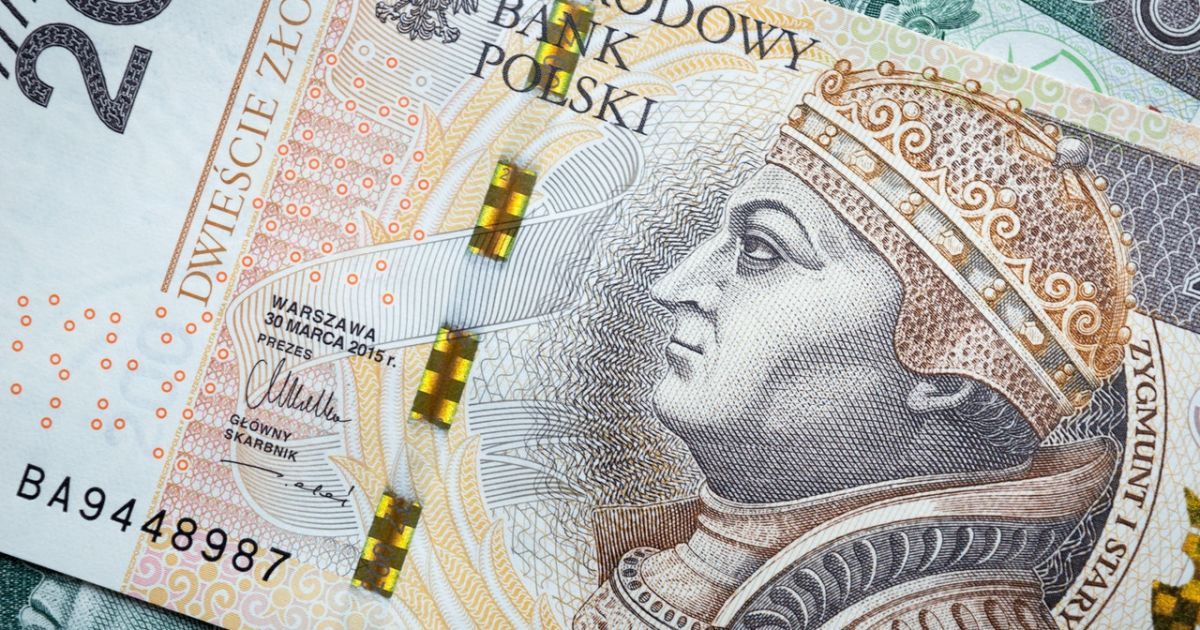
Illustrative photo / © Pexels
Starting from July 2027, new stringent rules for cash payments will come into effect in all European Union member states. Brussels has decided to establish a uniform upper limit for cash payments at €10,000 (approximately 42,000 PLN).
All transactions exceeding this amount will have to be conducted exclusively through bank transfers, as reported by In Poland.
These innovations aim to ensure greater financial transparency in the EU, as well as combat money laundering and the financing of crime. Furthermore, the rules approved by the Council of the EU in 2024 will require customer identification for any cash operations exceeding €3,000 (approximately 12,000 PLN).
Ukrainian citizens currently residing, working, or conducting business in Poland should pay particular attention to these changes. As Poland has become a refuge for millions of Ukrainians, any transformations in the republic’s financial legislation directly affect their daily lives and entrepreneurial activities.
It is worth noting that EU laws permit individual states to establish even stricter domestic restrictions. Poland currently remains one of the countries with the tightest cash controls: the limit for business-to-business (B2B) transactions is currently only 15,000 PLN, although this rule does not yet apply to ordinary citizens.
The draft law submitted to the Sejm on this matter proposes to increase the cash payment limit to 25,000 PLN. As experts from the specialized publication Prawo.pl note, this step will help offset the effects of inflation, adapt the market to modern economic realities, and also relieve small entrepreneurs — including many Ukrainians — from excessive paperwork and additional bank commission costs.
Rules for Ukrainian refugees in Poland — latest news
Ukrainians in Poland can now take the theoretical driving test in Ukrainian — this option has already been introduced in Warsaw, Krakow, Lublin, and other cities. The practical part, as before, will have to be taken in Polish, but a translator’s assistance can be used.
Meanwhile, Poland has extended temporary protection for Ukrainian refugees until March 4, 2027, allowing them to live and work freely in the country without additional permits for almost a year. However, after this date, for continued legal stay, a residence permit will need to be obtained based on work, study, business, or family circumstances.
Subscribe to our channels on Telegram and Viber.
Comments Sort: New Old Popular Send